The International Maritime Organization (IMO), with the Food and Agriculture Organization of the United Nations (FAO), are driving the GloLitter Partnerships project in South America, an initiative aimed at reducing plastic pollution from maritime and fisheries sources.
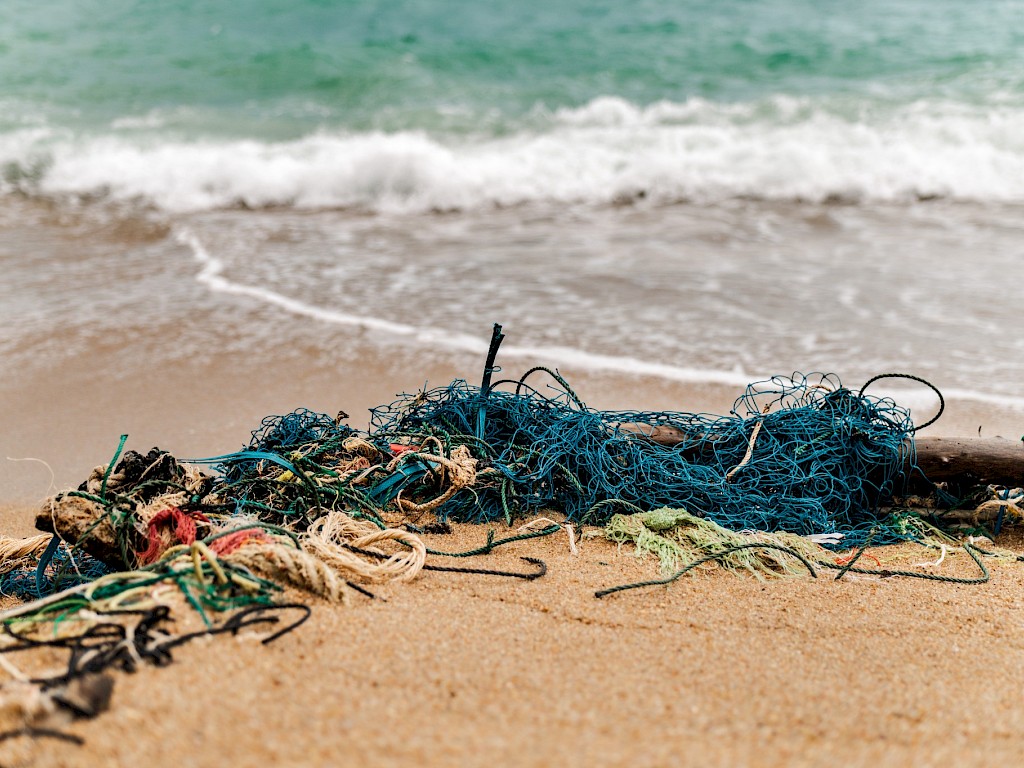
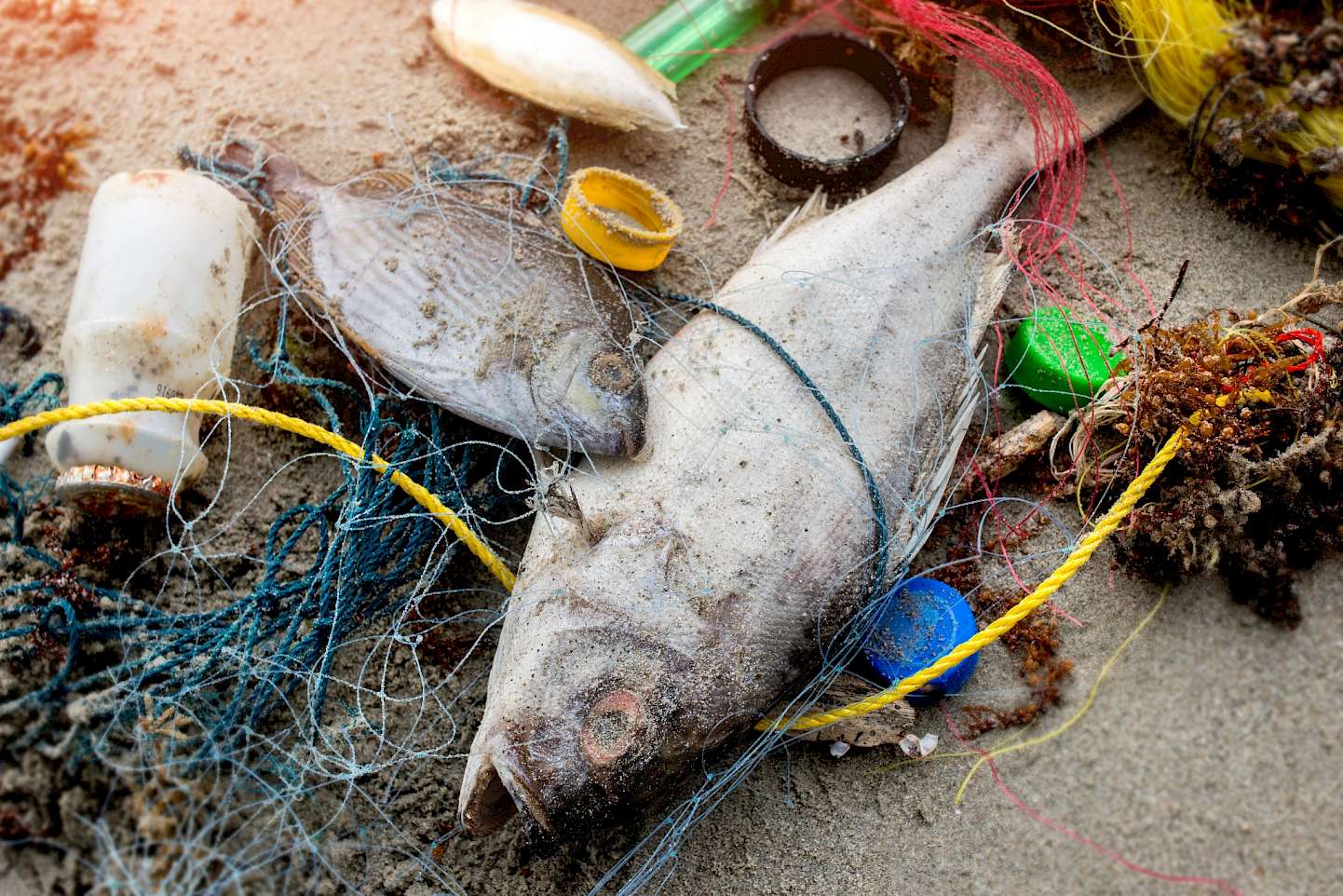
It is estimated that 80% of marine litter is composed of plastic, according to FAO data for the west coast of Africa
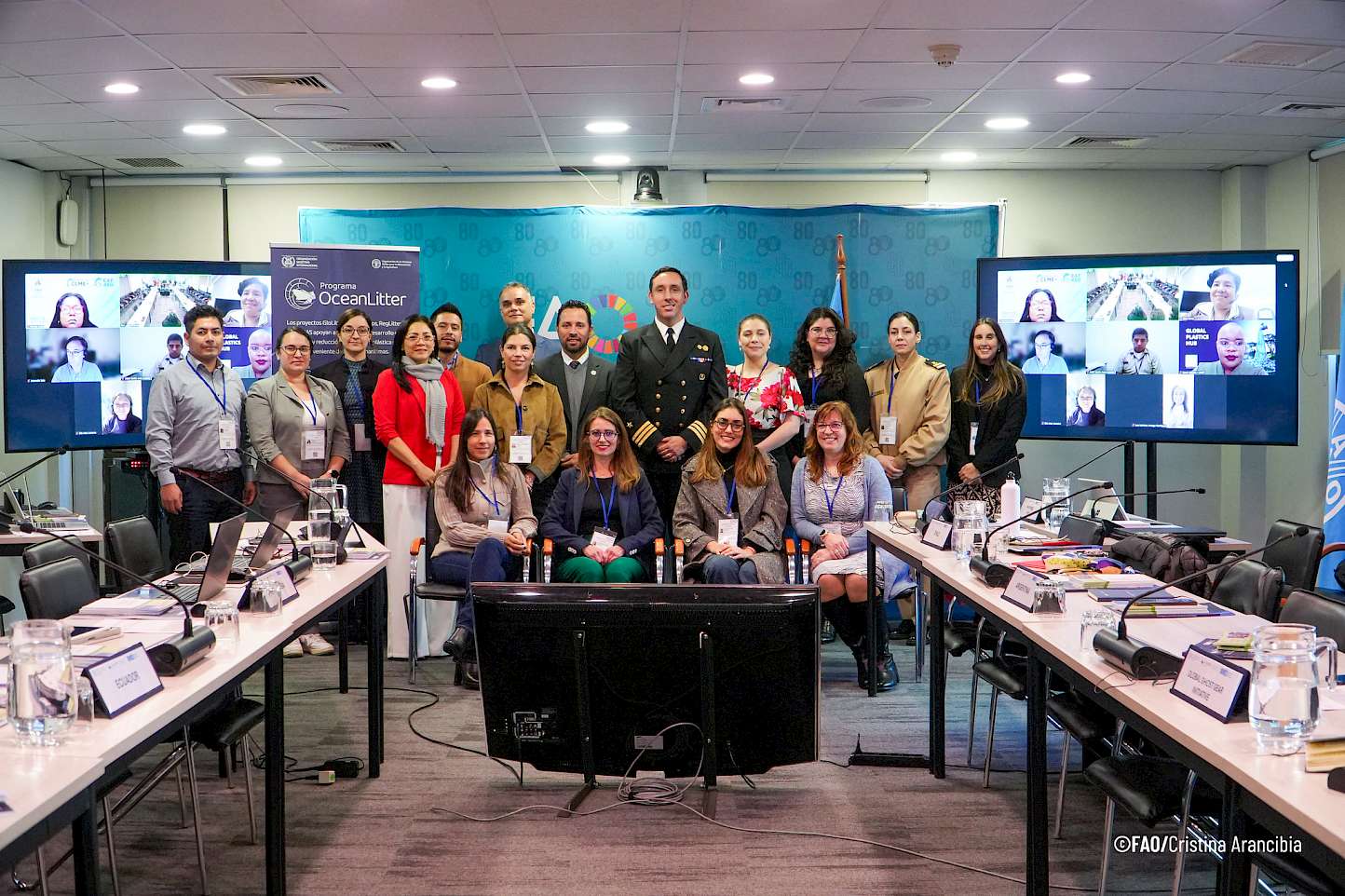
The meeting brought together representatives from Argentina, Brazil, Chile, Colombia, Ecuador, and Peru to review progress made at the first workshop and deepen collective work in key areas: cataloguing regional initiatives, research and technological advances, fishing gear marking, vessel-generated waste management, and the role of women in the fight against plastic pollution.
The project is part of the OceanLitter programme, implemented by the IMO in collaboration with FAO and funded by the Norwegian government. It supports countries in designing policies, regulatory frameworks, and national action plans to address litter from maritime sources, as this represents one of the most serious environmental threats to ocean ecosystems.
"The OceanLitter Programme is the first global initiative of its kind to address the cross-border problem of marine plastic litter from the shipping and fishing sectors. OceanLitter Programme knowledge products support global solutions and create resources that enable the dissemination of knowledge at regional and national levels, which will increase everyone's capacity to reduce and prevent marine plastic litter," said Ava Jaeggi, IMO Project Analyst.
In Latin America and the Caribbean, more than 85 million people depend on fisheries and aquaculture for their daily livelihoods, underscoring the relevance of this issue.
"Regional cooperation is key to transforming global commitments into concrete action on the ground. Protecting the oceans is not only an environmental matter, but also an economic, social, and food security priority," explained Amparo Pérez, FAO Fisheries Officer in Rome.
The FAO Regional Office for Latin America and the Caribbean drives more than 30 projects in Brazil, Belize, Chile, Cuba, Mexico, Argentina, Bolivia, Grenada, Honduras, Jamaica, Venezuela, and Costa Rica, in addition to regional and subregional projects.
"We emphasize the importance of this initiative, carried out within the framework of the Blue Transformation, which promotes more sustainable aquatic food systems through responsible fishing, sustainable aquaculture, and greater support for fishing communities," said Javier Villanueva, Senior Fisheries and Aquaculture Officer at the FAO Regional Office for Latin America and the Caribbean.
Country Experiences
During the meeting, participating countries highlighted the importance of the instruments discussed for work being implemented at the national level.
"Chile is not a participating country in the OceanLitter Programme, but has actively followed the knowledge products developed under the OceanLitter Programme and has attended both South American Regional Working Groups held under the GloLitter Partnerships Project. The guidance documents on conducting a country status assessment and developing a national action plan, to be published in July 2026, will be used by Chile, as these documents can be used by any country regardless of whether it receives direct support from the Programme," stated Manuel Fuenzalida, Captain, DIRECTEMAR – Chilean Maritime Authority.