
The OceanLitter Programme is a collective initiative housing three projects to reduce and prevent marine plastic litter from sea-based sources. It supports developing countries, including Small Islands Developing States and Least Developed Countries, in identifying opportunities for the prevention and reduction of marine plastic litter and it is jointly implemented by the International Maritime Organization (IMO) and the Food and Agricultural Organization of the United Nations (FAO), providing support to both the shipping and fisheries sectors.
The Issue
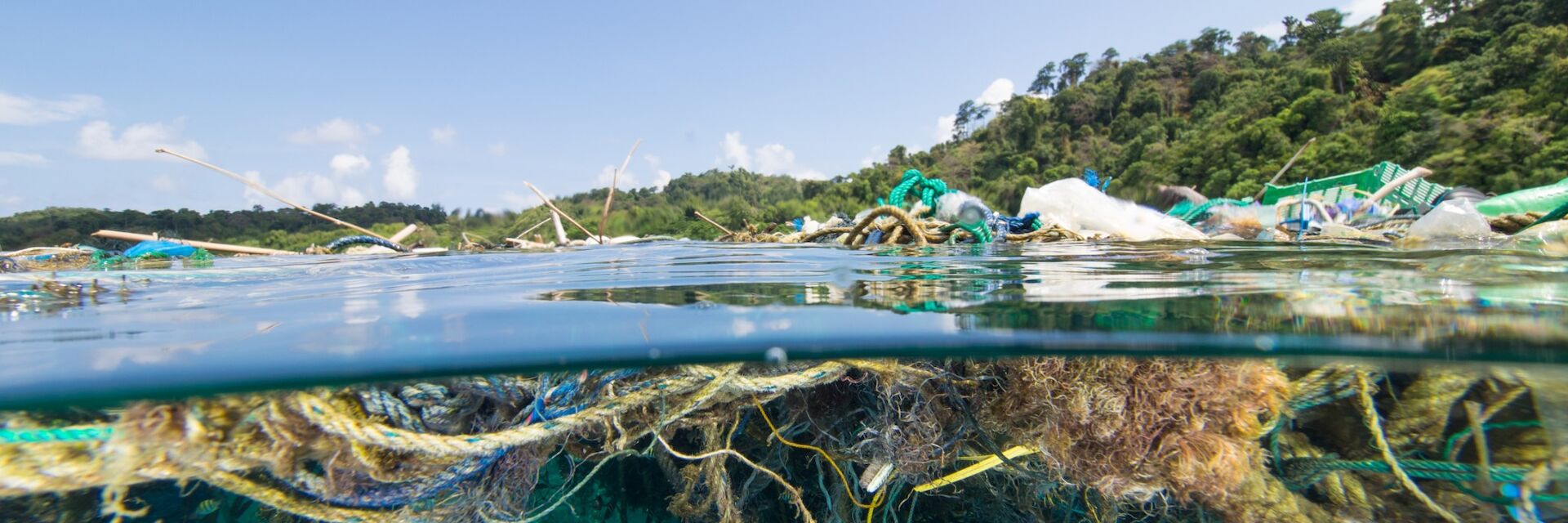
Marine plastic litter, including plastic garbage from ships, presents a significant problem. It is a transboundary issue. As plastics can float for years in the ocean, dumping of these materials at sea poses a serious threat to wildlife, marine ecosystems and human health.
Some scientists are warning that by 2050 the quantity of plastics in the oceans will outweigh fish.
Our Solution
International Conventions and Voluntary Guidelines
- The IMO has been regulating marine plastic litter for the last 50 years.
- Two IMO conventions regulate this space:
- Firstly the International Convention for the Prevention of Pollution from Ships (MARPOL) and particularly MARPOL Annex V came into force on 31 December 1988 to generally prohibit the discharge of all garbage into the sea, except as provided otherwise in regulations 4, 5, and 6 of the Annex, which are related to food waste, cargo residues, cleaning agents and additives and animal carcasses. An important feature of MARPOL Annex V is the complete ban imposed on the disposal into the sea of all forms of plastics.
- Secondly the 1972 International Convention on the Prevention of Marine Pollution by Dumping of Wastes and Other Matter and its 1996 Protocol (London Convention/London Protocol) which aims to promote the effective control of all sources of marine pollution.
- The FAO also support this work by promoting the FAO Voluntary Guidelines on the Maring of Fishing Gear to track and reduce abandoned or lost fishing gear.

IMO Strategy and Action Plan for addressing marine plastic litter from ships the 2026
- The IMO 2026 Strategy and Action Plan to Address Marine Plastic Litter from Ships aims to achieve zero plastic waste discharges to sea from ships by 2030.
- It combines and supersedes the previous separate strategy and action plan into a single streamlined approach.
- IMO is working with FAO via the OceanLitter Programme which is aligned to the 2026 Strategy and Action Plan to support countries in tackling marine plastic litter issues from the maritime transport and fisheries sectors.
The OceanLitter Programme
- Established in 2024, the OceanLitter Programme was created to streamline the project approach to tackling marine plastic litter from sea-based sources and houses multiple projects including: the GloLitter Partnerships, RegLitter and PRO-SEAS projects.
- Partnerships under the programme are three-tiered involving global, regional and national level partners, representing government, industry and non-governmental organizations.
The Impact
- Partner countries are leading the change on national, regional and global levels and enforcing international conventions and regulations on marine plastic litter.
- Marine plastic litter originating from the shipping and fisheries sectors is reduced.
- Knowledge on effective management and prevention of sea-based marine plastic litter among key stakeholder groups is increased.
- The private sector is further committed to supporting marine plastic litter related initiatives.
By supporting developing countries to implement action plans and infrastructures to support a more sustainable shipping and fishing industry, the OceanLitter Programme is working towards a low-plastics future for our ocean.
Achievements
- Interlinked three related projects under one platform.
- Developed a number of national action plans.
- Supported the development of a number of legislative improvements, including resulting in the ratification of MARPOL Annex I – V in Costa Rica.
- Supported a number of countries in developing and tailoring Port Waste Management Plans.
- Created multiple knowledge products, e-learning resources, webinars and communications materials.
- Created a network of donors and projects totalling a contribution of over 20 million American dollars (US$) for global, regional and national activities.
- Created a network of Strategic Partners totalling over US$ 80 million of in-kind support and co-financing.
Programme Progress
Please view the Progress Chart for details on what each country is currently addressing.
The OceanLitter Programme Projects
GloLitter Partnerships Project
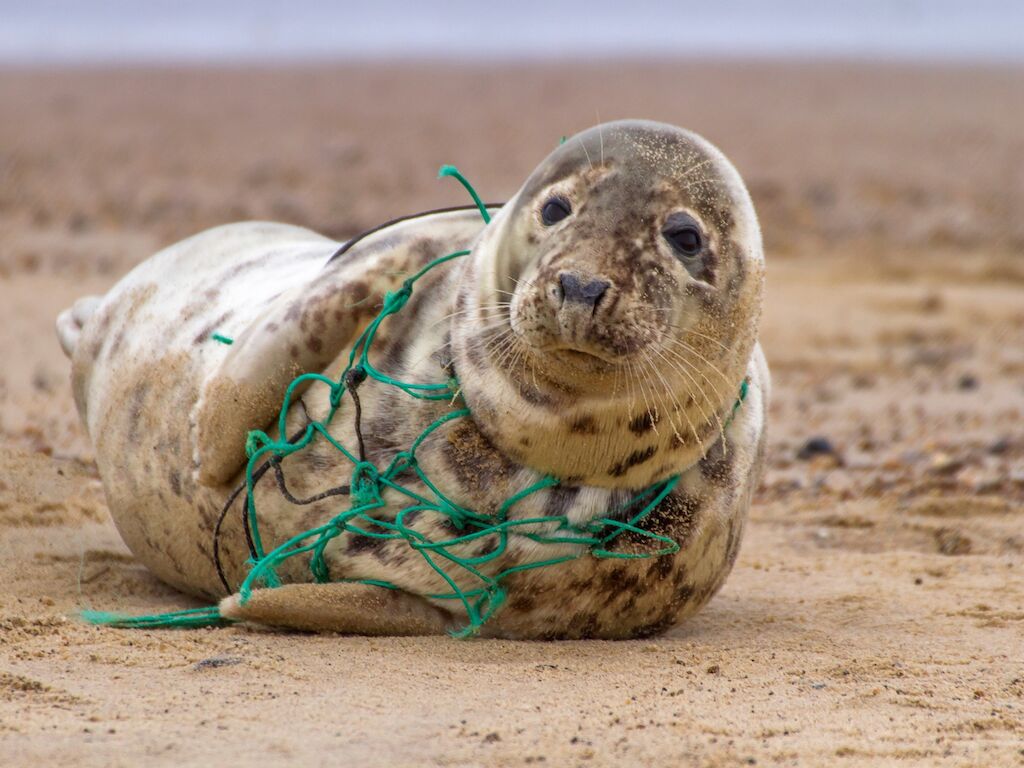
First global project, with regional and national components, focused on marine plastic litter from sea-based sources.
See more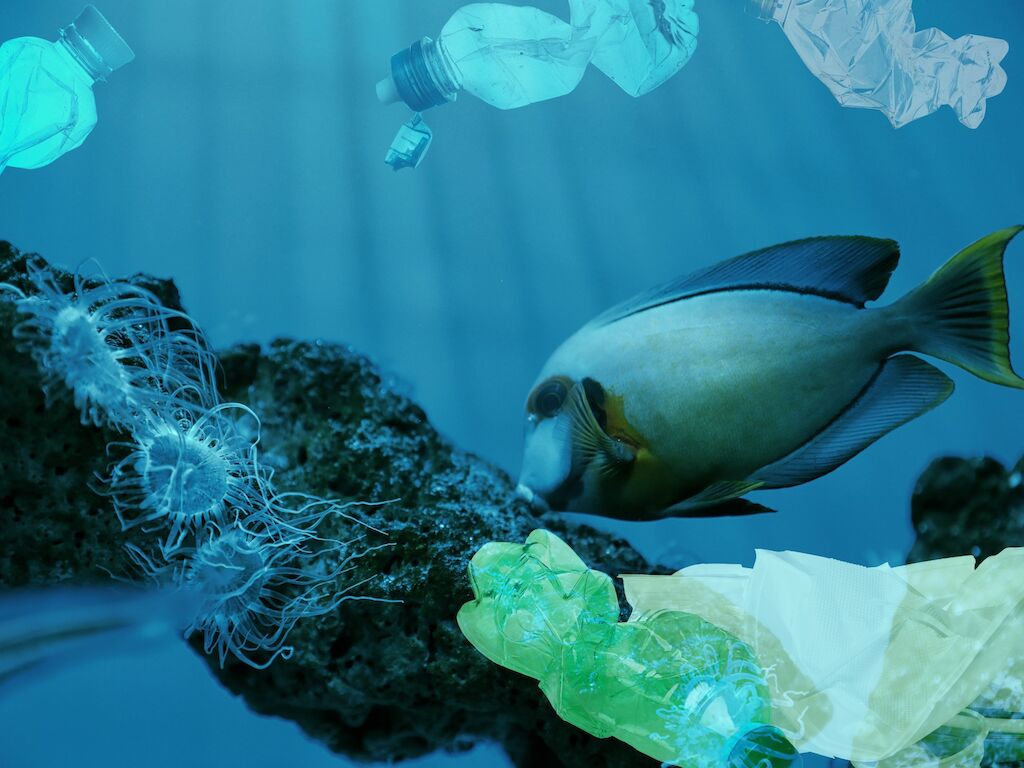
RegLitter Project
Regional project, with global and national components, tackling marine plastic litter from sea-based sources in Asia.
See more
PRO-SEAS Project
National project focused in four countries with large marine ecosystems, with global and regional components, addressing marine plastic litter from sea-based sources.
See more