The 2030 Agenda for Sustainable Development provides a shared blueprint for prosperity for people and the planet, now and into the future. At its heart are the 17 Sustainable Development Goals (SDGs), which are an urgent call for action in global partnership.
The OceanLitter Programme contributes to the eight SDGs below through objectives and activities directly aligned and related to SDG 14 (Life Below Water).
Sustainable Development Goals Central to the OceanLitter Programme
Gender Equality
Sustainable Development Goal 5 - Achieve gender equality and empower all women and girls.
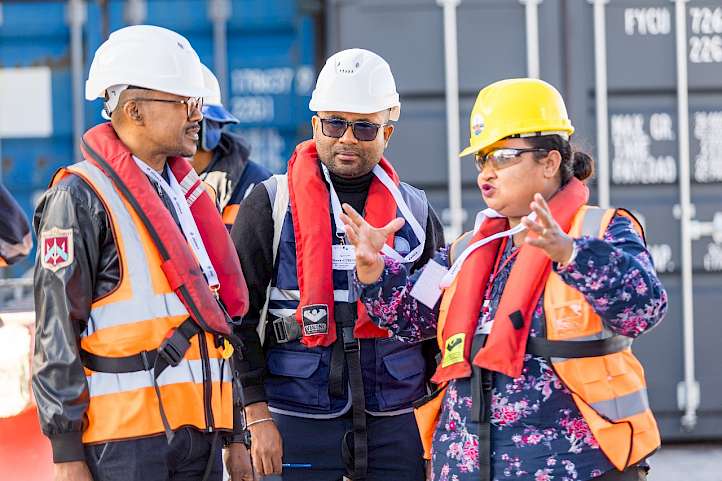
The OceanLitter Programme works with the Women in Maritime programme at the IMO to encourage its participating Member States to open their doors to women and enable them to take part and/or train alongside men so as to acquire the high-level of competency that the maritime industry demands.
In 2021, under the GloLitter Partnerships Project, the Joanna Toole GloLitter Partnerships Grant was launched (managed by the Ocean Conservancy). The grant provides financial support to women-led projects and initiatives in developing countries working to address marine plastic litter from sea-based sources and Abandoned, Lost or Otherwise Discarded Fishing Gear (ALDFG). Information about the grantees can be found via the Ocean Conservancy.
In addition, the projects support seed funding initiatives in select pilot countries to empower women's engagement in marine plastic litter management in small scale fishing communities.
Life Below Water
Sustainable Development Goal 14 - Conserve and sustainably use the oceans, seas and marine resources for sustainable development.
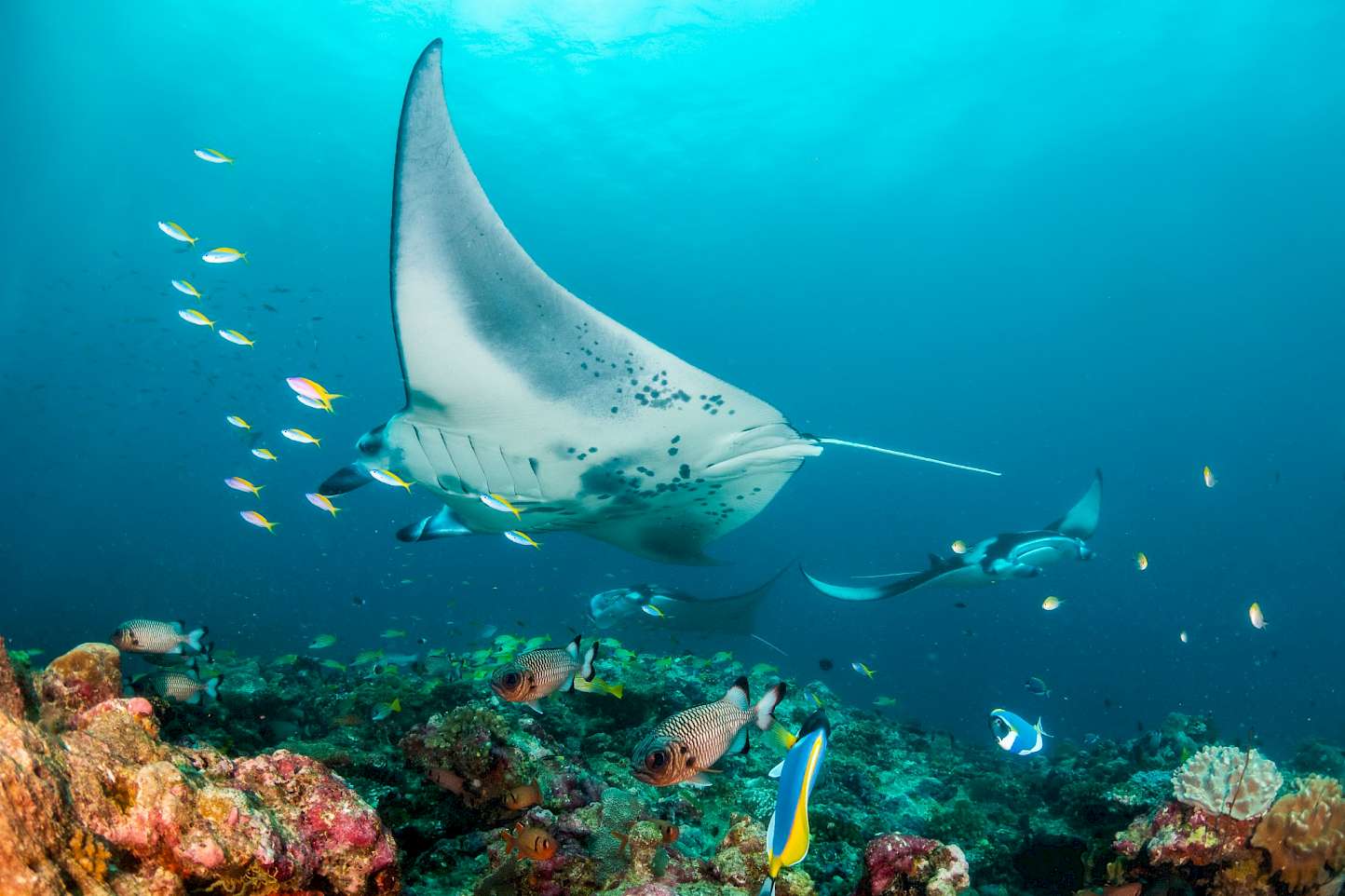
IMO regulations cover all aspects of international shipping (including ship design, construction, equipment, manning, operation and disposal) in order to ensure that this vital sector remains safe, environmentally sound, energy efficient and secure.
Implementing and enforcing the conventions and regulations adopted by IMO Member States actively addresses marine plastic pollution from sea-based sources.
The OceanLitter Programme supports the conservation and sustainable use of marine ecosystems and resources, specifically by mitigating marine plastic litter from sea-based sources.
While activities implemented by projects under the OceanLitter Programme support a variety of SDG 14 targets, they specifically support target 14.1: By 2025, prevent and significantly reduce marine pollution of all kinds, in particular from land-based activities, including marine debris and nutrient pollution.
The Programme has developed several guidance documents, as well as training webinars and port state control training activities, to improve practices and knowledge in the maritime transport and fisheries sectors. The Programme has also supported with practical support by aiding the development of national action plans, legislations and policy reforms as well as capacity building via the improvement of Port Reception Facilities through the development of Port Waste Management Plans that comply with marine environment protection regulations. The resources developed under the project have been made publicly available for all countries to use via the OceanLitter Programme Resources Library.
Participating countries identify collaborative opportunities for further activities with at the regional level through regional task force meeting and at the global level through the Global Task Force Training and Workshop.
This will aid with the implementation of the 2026 IMO Strategy and Action Plan to Address Marine Plastic Litter from Ships and the FAO Voluntary Guidelines for the Marking of Fishing Gear.
Partnerships
Sustainable Development Goal 17 - Strengthen the means of implementation and revitalize the global partnership for sustainable development.
Sustainable development goal 17 calls for global partnerships to support the achievement of the sustainable development goals in all countries, in particular Developing Countries and Small Islands Developing States.
IMO actively pursues specific partnerships with its Member States and others to execute projects or initiatives at both the regional and global level.
The OceanLitter Programme facilitates cooperation between participating countries by developing regional and global partnerships.
One way this is achieved is through the regional task force workshops, in which countries have the possibility to identify shared aspirations and develop a regional proposal to be actioned under the project. Should the regional proposal be more comprehensive than current funding allows, the IMO and FAO actively seek further funding to deliver the outstanding regional proposals.
At the global level, the Programme held the Global Task Force Training and Workshop to foster greater understanding of the regional proposals between all participating countries and ask countries if they wish to adopt any more regional proposals suggested by other regions. A global proposal was created that selected the top five cross-cutting priorities that all regions requested. Further details can be found here.