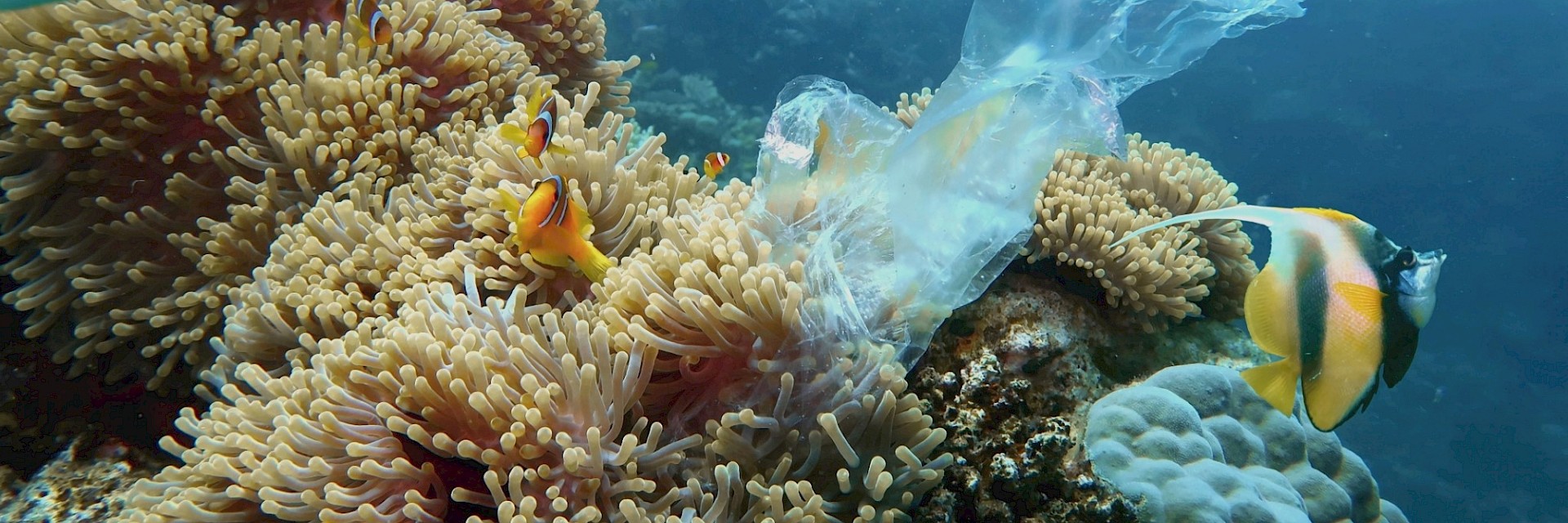
The GloLitter Partnerships Project is a groundbreaking global project, the first of its kind, supporting developing countries, including Small Islands Developing States and Least Developed Countries, in identifying opportunities for the prevention and reduction of marine plastic litter from sea-based sources. The project operates under joint implementation of the International Maritime Organization (IMO) and the Food and Agricultural Organization of the United Nations (FAO), providing support to both the maritime transport and fisheries sectors.
The project was initially funded by the Government of Norway. It has since received support from the governments of Australia, Saudi Arabia and Malaysia for selected activities.
Geographical coverage
30 countries from five regions are participants in the GloLitter Partnerships Project.
Achievements
Knowledge products
Global awareness of marine plastic litter from sea-based sources is expanded through the publication of multiple Knowledge Products.
E-Learning course
IMO, in collaboration with the World Maritime University (WMU), with funding from other projects under the OceanLitter Programme, developed the MARPOL Annex V E-learning course. The self-paced course, consisting of four well-organized modules, is freely available on the IMO E-Learning platform: https://lms.imo.org/moodle310/.
Webinars
A series of free online webinars is available, including:
Regional Task Force meetings
All regional task force meetings aim to enhance the countries’ capacity to combat plastic pollution from ships and protect the marine environment.
Africa (2023 & 2025)
Asia (2024 & 2025)
Asia and Pacific (2022)
Central America and Caribbean (2022)
Latin America (2024 & 2026)
Project Progress
Please view the Progress Chart for details on what each country is currently addressing.