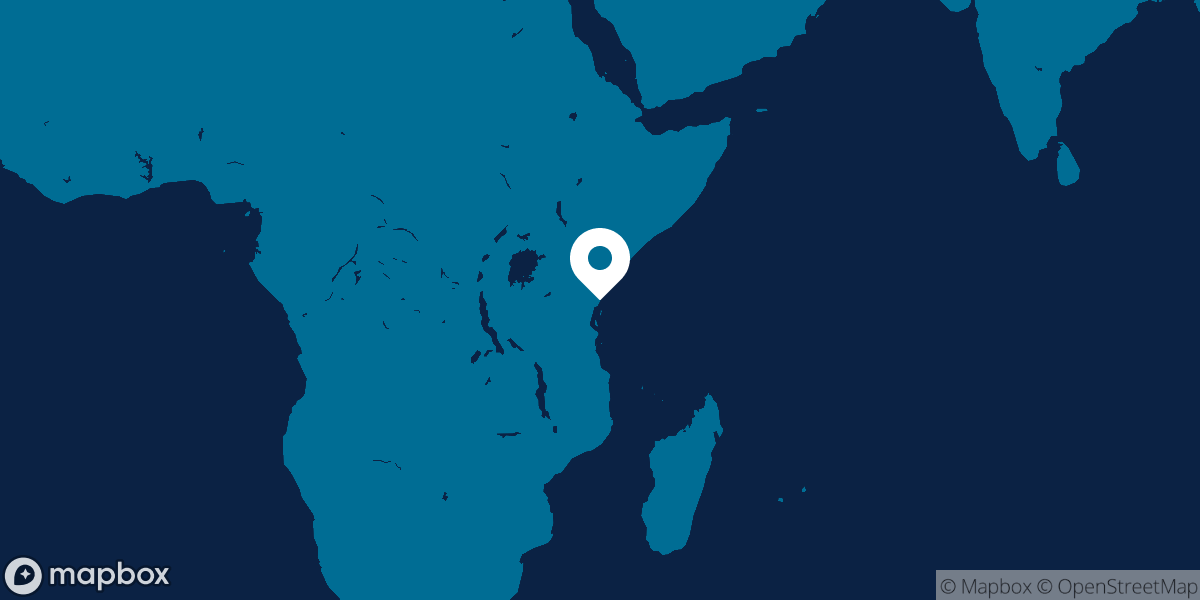
Kenya

Maritime authority:
Kenya Maritime Authority (KMA)
Fisheries authority:
Kenya Fisheries Services (KeFS)
Environment authority:
National Environment Management Agency (NEMA)

Progress Status

Region Participating Country National Taskforce (NTF) establishedInfo National Action Plan (NAP) publishedInfo MARPOL Annex VInfo London Convention (LC) ratifiedInfo London Protocol (LP) ratifiedInfo Regional Cooperation Activities National Domestication Activities including draft legal update PRF Activities Identified & ImplementedInfo
Identified Implemented PSC Training MARPOL Annex V MARPOL Annex V LC/LP VGMFGInfo
Africa Kenya

Complete

(G / P)

Complete

(G / P)

Complete

Complete

Complete

LP ratified

Complete

(G)

Complete

(G)

Complete

(G)

Complete

(G)

Complete

(G)

Complete

(G)

TBC

(P)

View progress table for all countries

Key Information

State Department for Shipping and Maritime Affairs

Ministry in charge:

  • Ministry of Mining, Blue Economy and Maritime Affairs

Coordination team:

  • State Department for Shipping and Maritime Affairs
  • Ministry of Environment and climate change and Forestry
  • State Department of Fisheries, Aquaculture and Blue Economy
  • Kenya Maritime Authority
  • Ministry of Defence
  • Kenya Ports Authority
  • Kenya Marine and Fisheries Research Institute
  • National Environmental Management Authority
  • Kenya Wildlife Service
  • Kenya Fisheries Service
  • Maritime Technology Cooperation Centre Africa - MTCC Africa

Agencies involved:

  • Ministry of Roads and Transport
  • Ministry of Environment, Climate Change and Forestry
  • Ministry of Tourism, Wildlife and Heritage
  • Ministry of Mining, Blue Economy and Maritime Affairs

About

Kenya is endowed with a variety of coastal ecosystems such as seagrass, wetlands, dunes, estuaries, coral reefs to rocky shores, sandy beaches and mangrove ecosystems. These ecosystems have for centuries provided the local communities with several benefits including an abundance of natural resources that sustain coastal communities and are critical for fisheries, aquaculture, tourism, and water resources. They also provide critical functions such as cycling and transport of nutrients, carbon sequestration, waste recycling, air and water purification, flood mitigation and buffering against coastal storms, coastal stabilization from severe weather, water quality and quantity regulation, biodiversity, and spawning habitat for many aquatic species.
Kenya's coastal fishing communities rely significantly on coastal ecosystems for livelihood support due to limited livelihood alternatives. Therefore, sustainably managed marine resources can be a significant contribute to poverty reduction and economic growth.

Ports in Kenya

The Port of Mombasa is the largest and most significant port in Kenya. It is located on the eastern coastline and serves as the primary gateway for international trade, handling the majority of the country's imports and exports. Secondly, the Port of Lamu - Located in Lamu County, the Port of Lamu is an emerging port that is part of the Lamu Port-South Sudan-Ethiopia Transport corridor project. It aims to serve as a major gateway for regional trade, connecting Kenya with South Sudan and Ethiopia. Thirdly, the Port of Kisumu situated on the eastern shore of Lake Victoria, the Port of Kisumu is essential for trade within the East African region. It facilitates the movement of goods to and from neighboring countries like Uganda, Rwanda, Burundi, and the eastern Democratic Republic of the Congo.

Fisheries

Aquaculture is rapidly expanding in Kenya as demand for fish is increasing. Increased demand is driven by population and income growth, increased awareness of the health benefits of fish consumption and changes in lifestyle and consumer preferences. Aquaculture plays a critical role in food and nutrition security, economic empowerment, and the creation of employment opportunities for millions of people in Kenya. Production from aquaculture systems recorded growth from 4,218 metric tonnes (MT) in 2006 to a peak at 24,096 MT in 2014, representing 15% of total national fish production. Mariculture in Kenya has had consistent development since early 2000, predominantly encompassing the use of earthen ponds, cages, longlines and/or rafts, monolines, sea pens and raceways.

SBMPL Regulations

IMO & FAO Regulations