Women Leading the Fight Against Marine Plastic Litter

Millions of tons of plastic litter enter the oceans every year, an estimated 20% of which originates from sea-based sources such as the fisheries and maritime sectors. These plastics devastate aquatic ecosystems and threaten coastal livelihoods, with distinct impacts for women and men. Recognizing that marine plastic litter (MPL) is both an environmental crisis and a gender issue, the GloLitter Partnerships Project - a joint initiative by the International Maritime Organization (IMO) and the Food and Agriculture Organization of the United Nations (FAO) aiming to reduce MPL from sea-based sources – launched targeted gender activities in 2023 across Côte d’Ivoire, Senegal, and Togo. Over the past three years, these activities have scaled from early pilot activities to a dynamic network of women environmental leaders working to combat plastic pollution in the fisheries sector. The activities were rolled out with financial support from Norway.

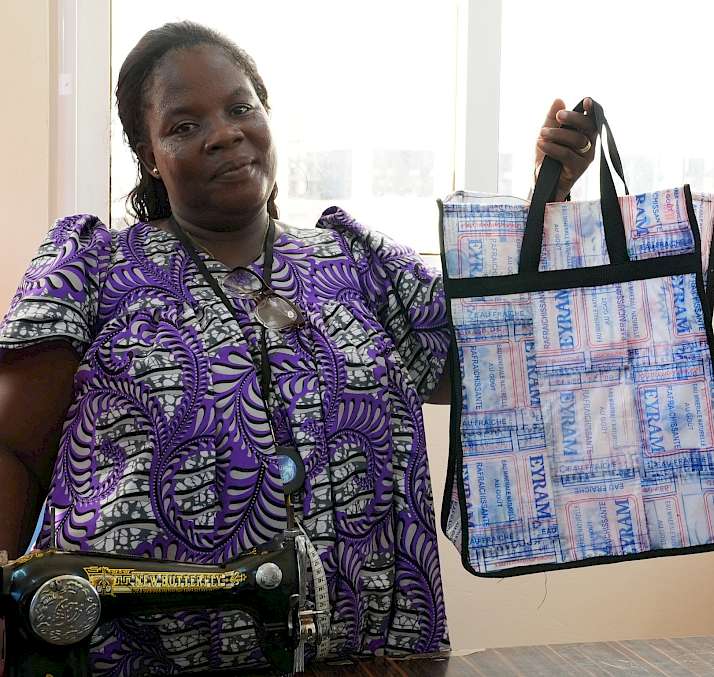
During the project’s first phase, 444 people (246 women, 198 men) participated in studies examining the gender dimensions of MPL, while 77 (60 women,17 men) people received training on plastic waste management skills. In Togo, members of a women’s fish trader cooperative, ALOWODO, completed practical training to transform plastic litter into reusable, marketable products. Since then, the cooperative has expanded its operations and designed new, innovative product offerings.
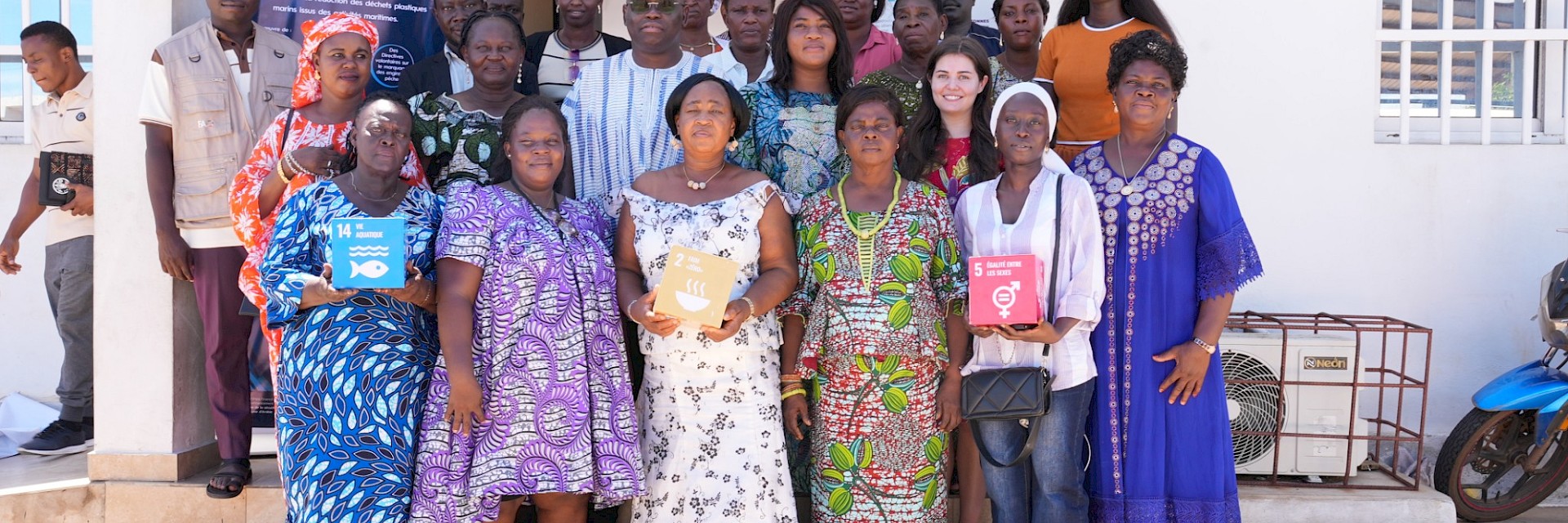
To build on this momentum, the GloLitter project organized follow-up activities which culminated in a regional knowledge-sharing and practical training workshop from May 19 to 21, 2026, at the fishing port in Baguida, Togo.

The three-day workshop brought together 30 participants, including women fish processors and fishmongers from Togo and Senegal, government officials, and FAO specialists, to turn shared challenges into collective opportunities.

During the opening ceremony, the Director of the fishing port, Mr. PERE Samiè, set an inspiring tone. He commended ALOWODO’s achievements, emphasizing that “one person’s trash can become another’s treasure”. Mr. BAKAI Matchonnawe, Director of Maritime Affairs and GloLitter Project Focal Point in Togo, emphasized the importance of these waste management efforts, given the alarming statistics on MPL damage to aquatic resources, before officially opening the event.
In the experience sharing session that followed, representatives from each country shared key insights and challenges

  • Senegal’s progress and obstacles: Representing Senegal, Ms. Aminata Badji shared that recent seabed cleanup operations successfully collected over 41 metric tons of plastic waste, including 2.3 metric tons of fishing gear. However, she noted that progress remains stalled by a lack of recycling facilities and limited financial resources.
  • Togo’s solutions: A representative from ALOWODO presented their initiatives, demonstrating how women’s leadership in waste management can produce concrete environmental and economic benefits.

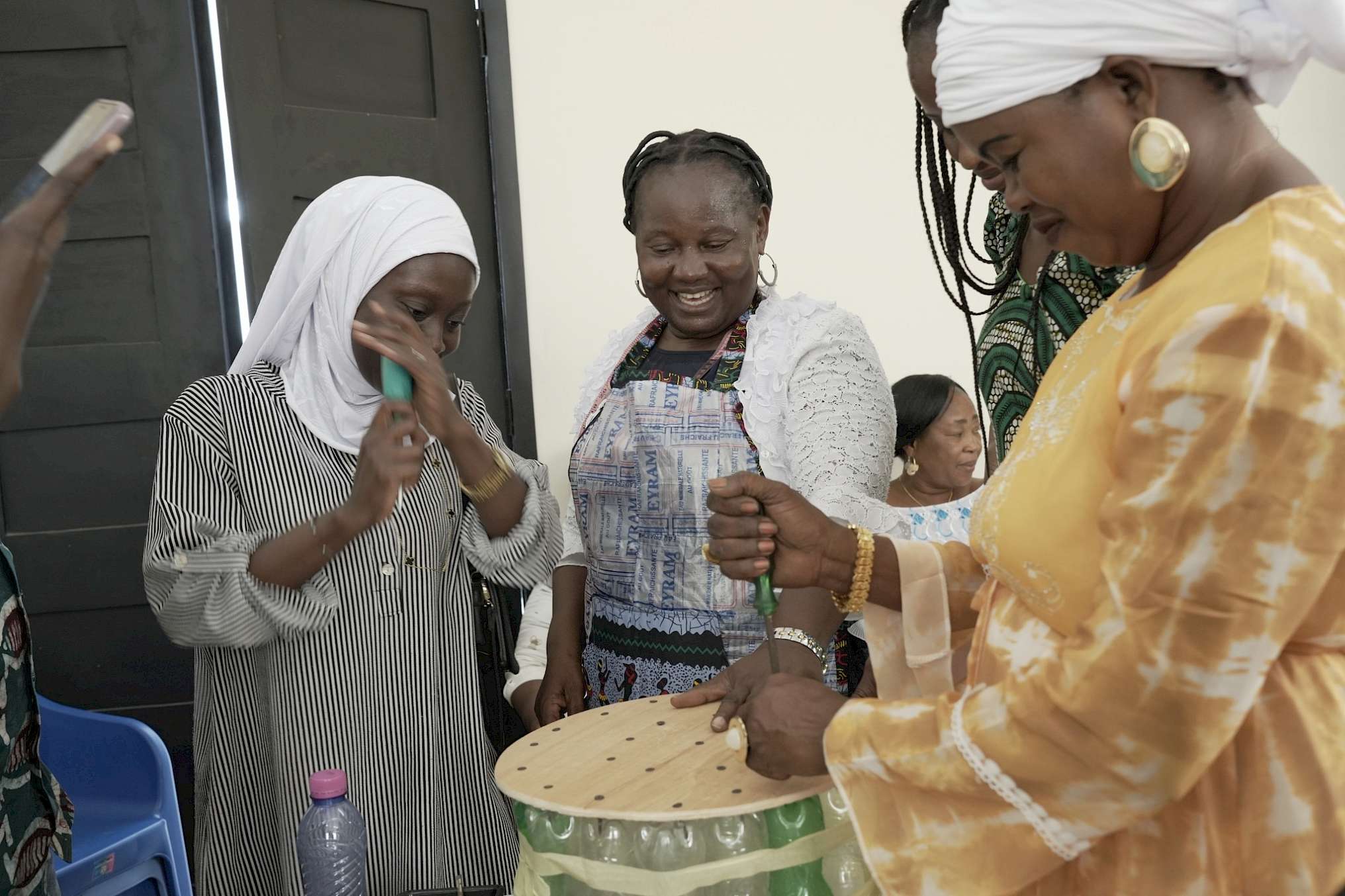
The heart of the workshop was a peer-to-peer training. Ten women fishmongers from the ALOWODO cooperative in Togo served as trainers for five visiting Senegalese fish processors and traders. Through practical workshops in washing, sorting, and sewing, participants learned how to upcycle single-use "Pure Water" sachets and plastic bottles into durable, reusable bags, hats, and upholstered stools. This ‘Waste-to-Wealth’ model provides women with a second income stream, increasing financial security even during the fishing off-season.

At the end of the workshop, the Senegalese participants received formal certificates of participation and committed to training fellow women and youth in their communities.

The workshop concluded with explicit recommendations for key stakeholders:

  • For participants: Raise awareness on responsible plastic use and collaborate with local merchants and supermarkets to sell products.
  • For local authorities: Launch community recycling projects and install waste retention grates at storm drains to capture plastic before it enters the ocean.
  • For FAO and partners: Secure commercial partnerships, mobilize funds for expanded cleanup operations, and establish waste management collaborations with large commercial vessels.
GloLitter
RegLitter
PRO-SEAS
The OceanLitter Programme celebrates World Maritime Day 2026

"From Policy to Practice: Powering Maritime Excellence" This year’s IMO World Maritime Day theme ‘From Policy to Practice:


September 24th, 2026
Arrow-right
RegLitter
Viet Nam and the Philippines advance efforts to tackle marine plastic litter

Viet Nam and the Philippines have taken important steps towards preventing marine plastic litter from sea-based sources.


July 13th, 2026
Arrow-right