"From Policy to Practice: Powering Maritime Excellence"
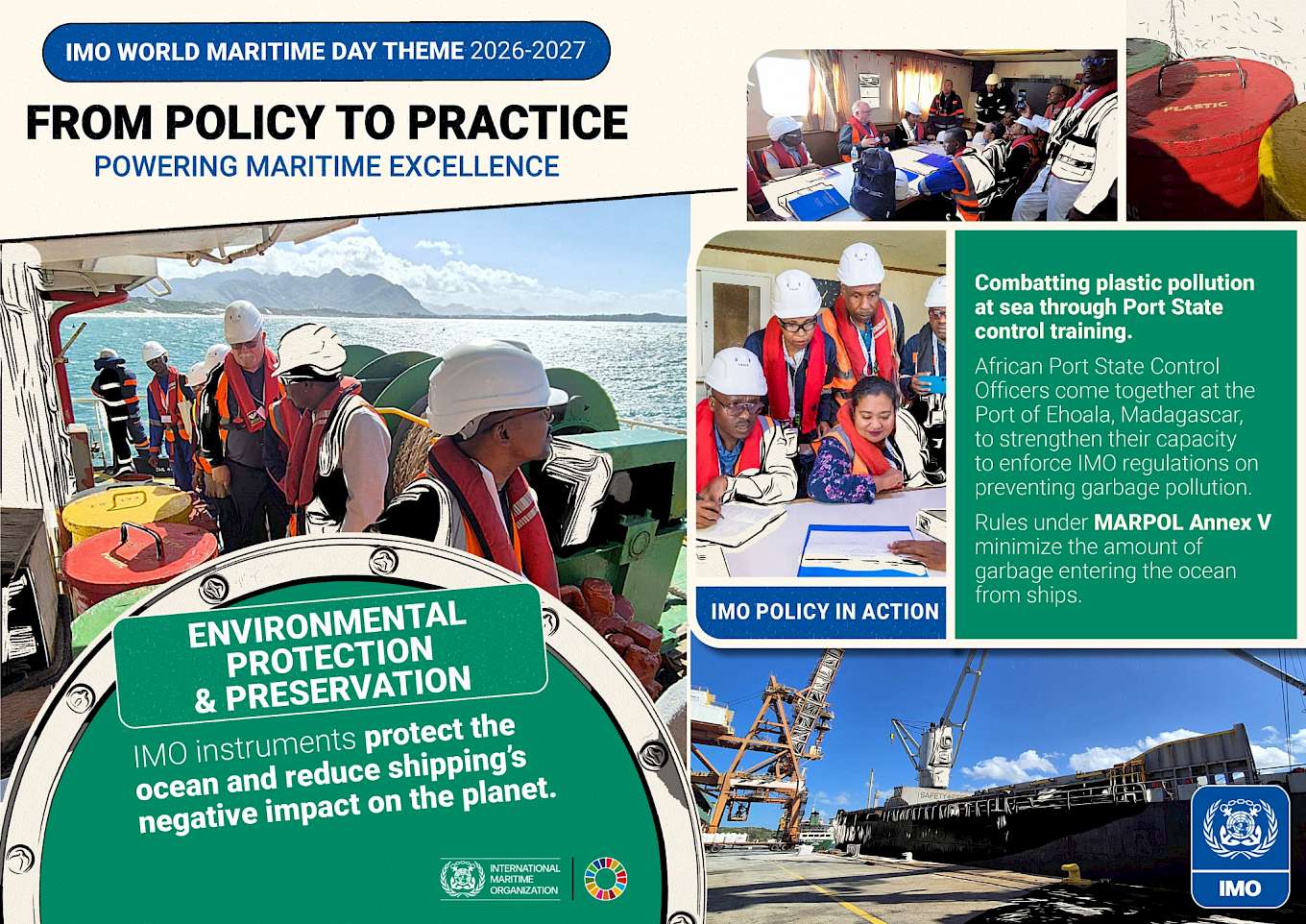
This year’s IMO World Maritime Day theme ‘From Policy to Practice: Powering Maritime Excellence’ will, for the first time, run for two years, highlighting IMO’s clear commitment to put policies into practice by providing technical assistance to Member States (particularly Small Islands Developing States (SIDs) & Least Developed Countries (LDCs)).
As such the importance and achievements of the OceanLitter Programme, that supports IMO member states from SIDs and LDCs, will be brought into focus, highlighting how IMO instruments protect the ocean and reduce shipping’s negative impact on the planet.
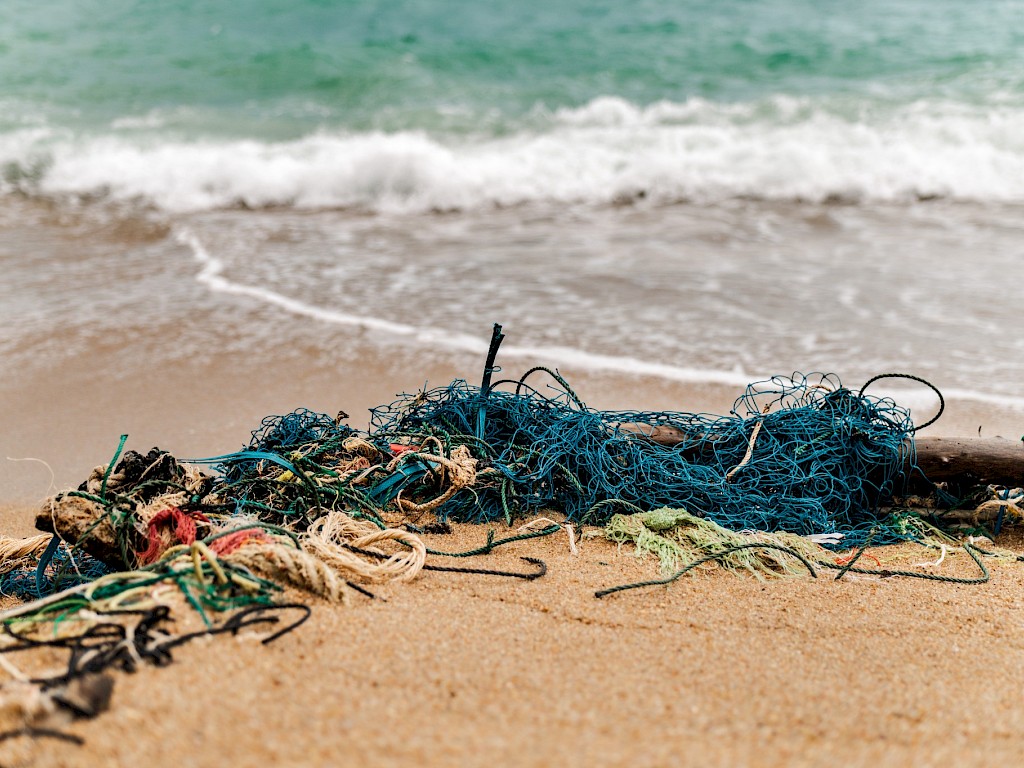
Marine plastic litter, including plastic garbage from ships, presents a significant problem. It is a transboundary issue. As plastics can float for years in the ocean, dumping of these materials at sea poses a serious threat to wildlife, marine ecosystems and human health.
With strategic support through the OceanLitter Programme, led by IMO and implemented in partnership with the Food and Agricultural Organization of the United Nations (FAO), the participating countries are leading the change on national, regional and global levels by implementing and enforcing international conventions and regulations on marine plastic litter, including the International Convention for the Prevention of Pollution from Ships (MARPOL) and particularly MARPOL Annex V, relevant to the dumping of garbage at sea.
In addition, through joint implementation between IMO and FAO and a targeted approach, the OceanLitter Programme makes gains in reducing Marine Plastic Litter from Sea-Based Sources relevant to the fisheries sectors, such as with the Abandoned, Lost, or otherwise Discarded Fishing Gear (ALDFG) and the Voluntary Guidelines on the Marking of Fishing Gear (VGMFG).
Three projects operate under the umbrella of the OceanLitter Programme (GloLitter Partnerships, RegLitter and PRO-SEAS) supported by a range of donors.
The OceanLitter Programme provides technical assistance to Member States to prevent and reduce marine plastic litter from sea-based sources, based on national and regional priorities with global outreach in mind.
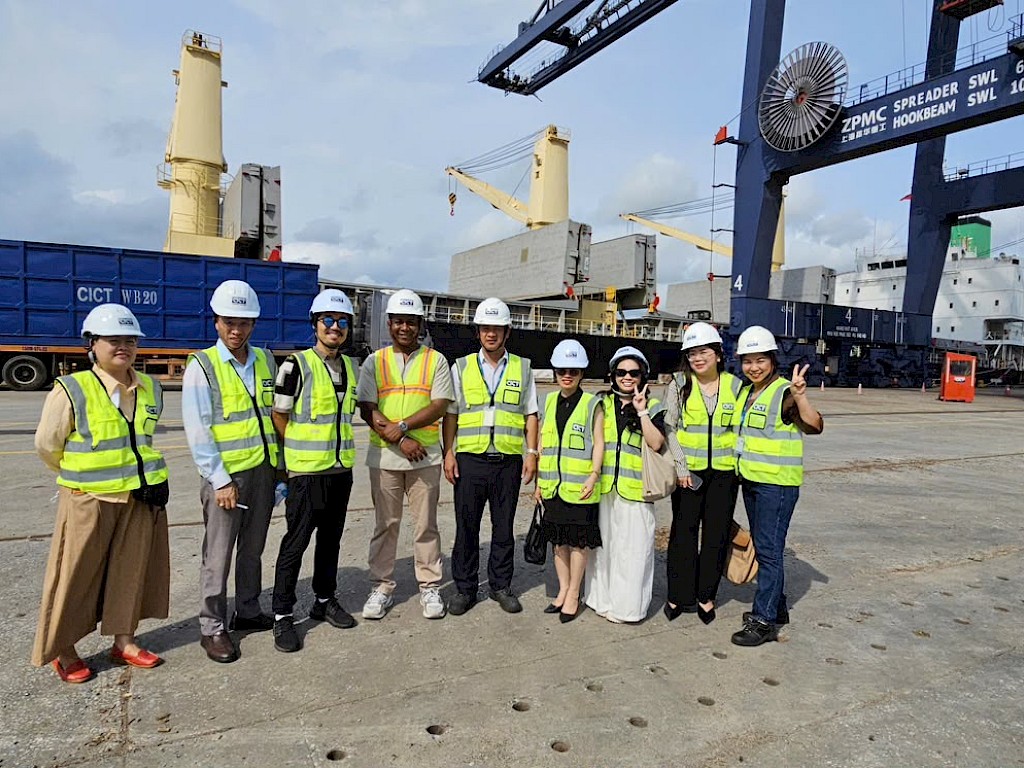
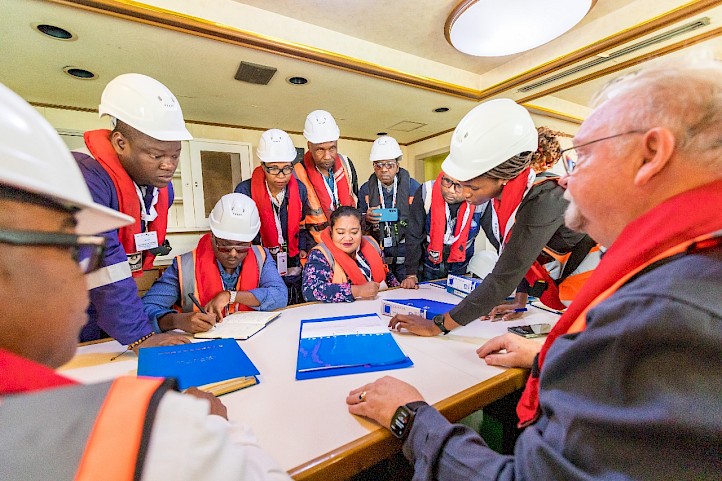
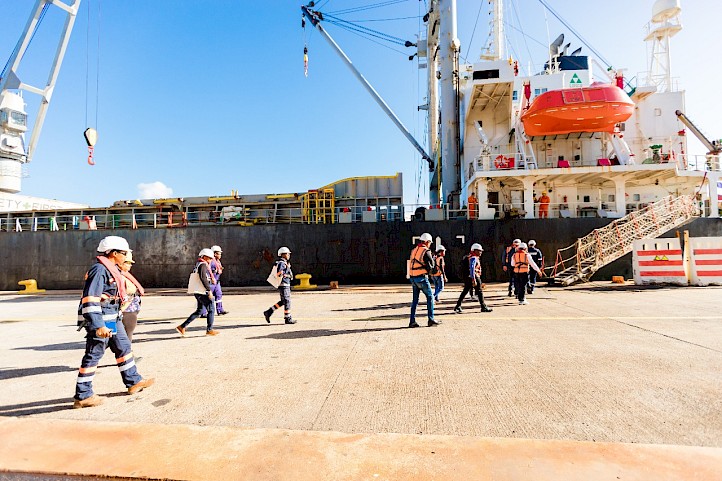
The launch of World Maritime Day highlights activities rolled out in Madagascar through the GloLitter Partnerships Project to combat plastic pollution at sea in Africa through Port State Control training. Similar activities, through the framework of the OceanLitter Programme, have been carried out in Central America, East Asia and the Pacific.
Tracking of the progress made of participating countries can be viewed on the OceanLitter Programme Progress Chart.
The OceanLitter Programme has secured funding up until 2029 through a variety of donors.
OceanLitter Programme Achievements
Through the commencement of the GloLitter Partnerships Project Phase 1 in 2020, IMO with the support from initial funding from the Norwegian Government through Norad and in partnership with FAO, created the first global initiative to tackle marine plastic litter from sea-based sources and support implementation of the IMO Strategy and Action Plan to Address Marine Plastic Litter from Ships (IMO Action Plan), in line with IMO Strategic Direction 4.
GloLitter is a foundational global initiative and a catalyst for the multi-donor OceanLitter Programme that was established to ensure synergies, save costs and ensure efficient management of the different projects under one umbrella led by the same IMO Project Coordination Unit (PCU) that is in line with the current vision of the IMO leadership.
Key achievements include
1. Created a platform for global, regional and national collaboration between the maritime and fisheries sectors where none previously existed.
2. Supported the implementation of a number of actions under the IMO Action Plan to Address Marine Plastic Litter from Ships.
3. Provided advisory services to the participating countries to develop National Action Plans (NAPs).
4. Ten Member States have initiated legislative reforms outlined in their respective NAPs. Costa Rica ratified MARPOL Annexes I–V, with the Programme’s technical assistance.
5. Supported the development of five Port Waste Management Plans (PWMPs) in five beneficiary countries. More than 20 countries have expressed interest in replicating this technical assistance in their ports.
6. Trained over 150 maritime officials through PSC and PWMP training activities.
7. Produced over 20 knowledge products, several of which have been translated into Spanish, French and Arabic. These products are used in Programme training and workshops. For example, the MARPOL Annex V E-Learning Course, developed from the MARPOL Annex V training programme, trained over 2,500 participants online within six months of launch, an IMO record.