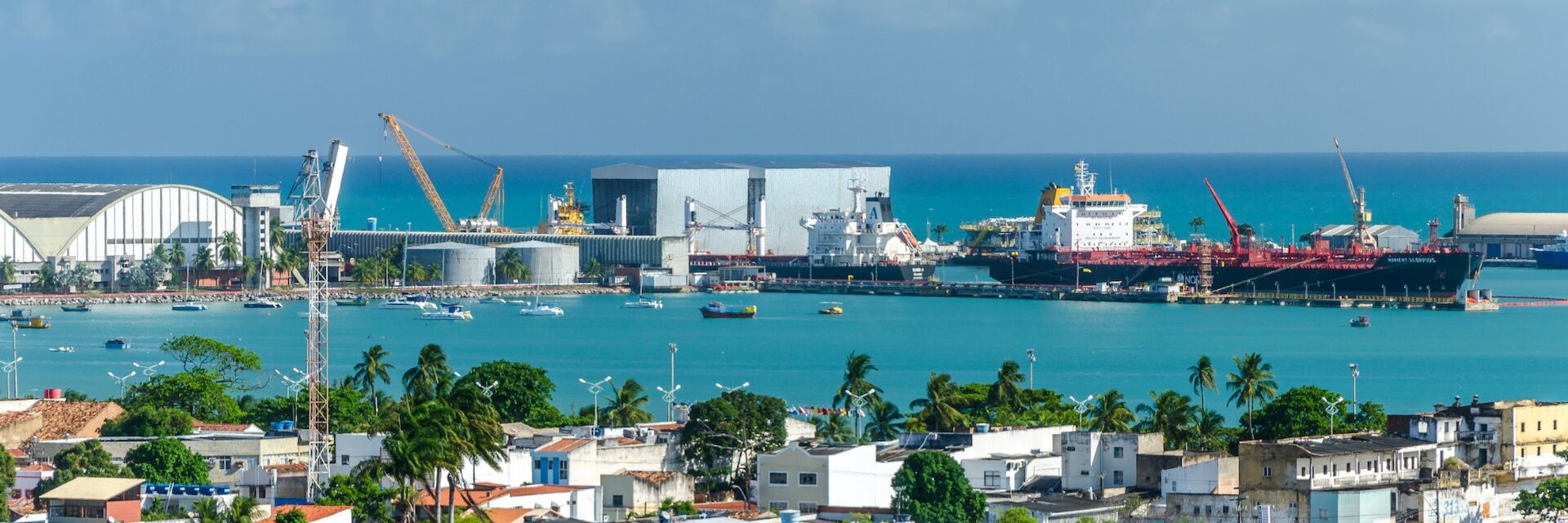
Brazil’s Port of Maceió and Jamaica’s Kingston Wharves Port have developed blueprints for new Port Waste Management Plans aimed at protecting the marine environment from Sea-Based Marine Plastic Litter (SBMPL) pollution.
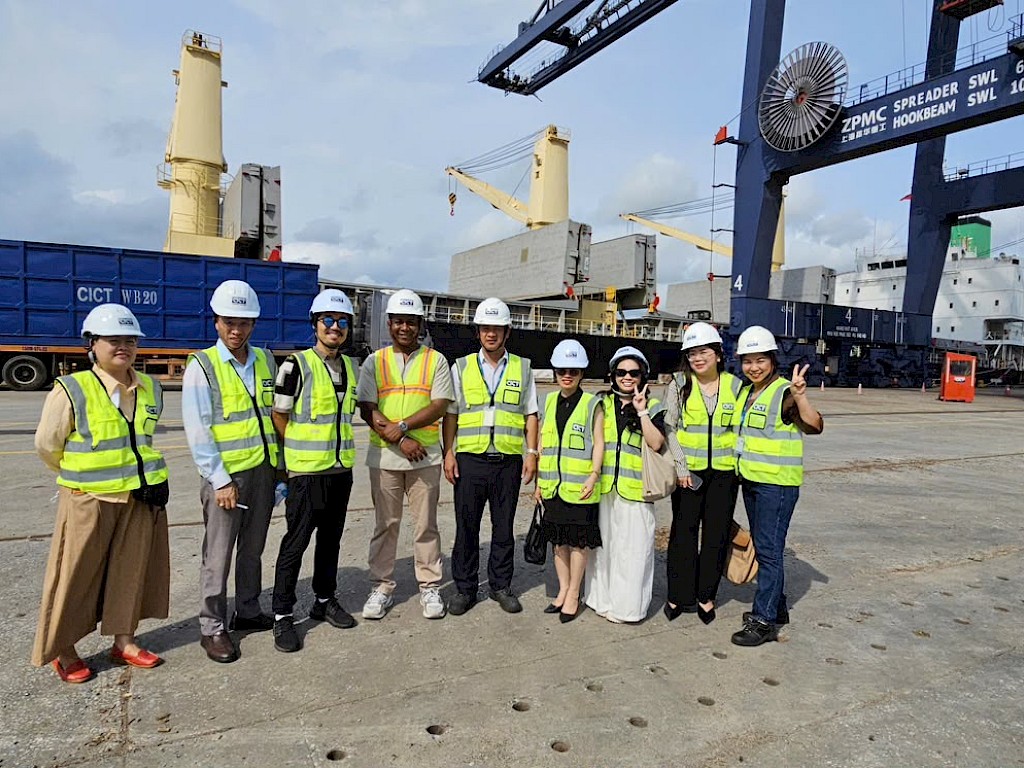
The plans were developed during back-to-back workshops held in Maceió, Brazil, (2-3 December) and Kingston, Jamaica, (9-10 December) by representatives of the national maritime and port authorities supported by IMO staff and consultants.
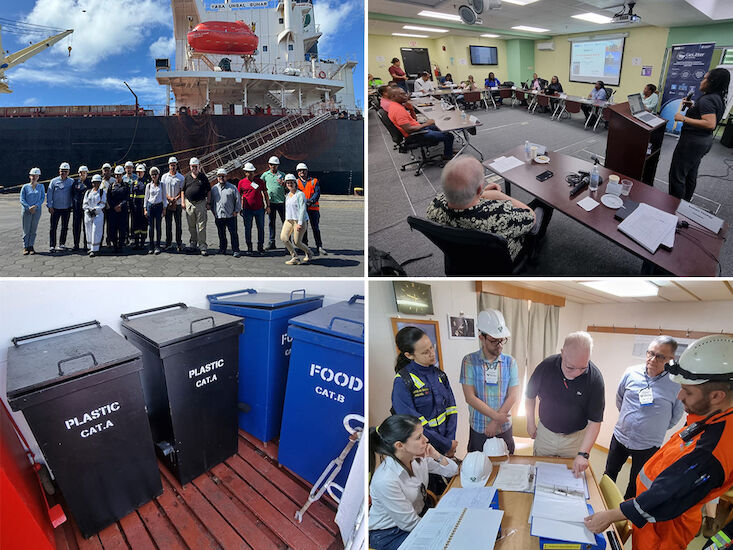
Port Waste Management Plans outline how a port should handle waste from ships and port operations in a safe, efficient and environmentally friendly way. They include practical processes and procedures to ensure compliance with global regulations set out in Annex V of the International Convention for the Prevention of Pollution from Ships (MARPOL).
As part of the GloLitter Partnerships Project, the aim of the workshops was to enhance the capacity of the Project’s Lead Partner Countries (including Brazil and Jamaica) to reduce plastic litter from ships. The port waste management plans, drafted during the workshops, will be finalized by the stakeholders and submitted to the relevant national authorities for final consideration and adoption.
These two countries will also share their drafting experience with other partner countries at a later date.
Port State Control training
The workshops were followed by related training on Port State control, delivered at the regional level in Brazil (4-6 December) with participants from Argentina, Brazil, Colombia, Ecuador, Panama, and Peru, and at the national level in Jamaica (11-13 December).
Participants discussed compliance, monitoring and enforcement of MARPOL Annex V, focusing on plastic waste, including from fishing vessels.
They also discussed the application of the Convention on the Prevention of Marine Pollution by Dumping of Wastes and Other Matter (London Convention and London Protocol) in relation to SBMPL, as well as best practices in ship waste management and port reception facilities.
The training sessions concluded with a live demonstration of a port inspection in the Port of Maceió in Brazil, while in Jamaica, a virtual demonstration showed the practical applications of port State control.
About GloLitter Partnerships
The GloLitter Partnerships project aims to reduce marine plastic litter from the maritime transport and fishing industries. The project is funded by the Government of Norway, with co-financing from the Australian Maritime and Safety Authority and the Kingdom of Saudi Arabia. GloLitter Partnerships is implemented by the IMO in partnership with the Food and Agriculture Organization (FAO) of the United Nations.