The PRO-SEAS project is the third project under the OceanLitter Programme that builds upon the success of its sister project, the GloLitter Partnerships Project, where Costa Rica received technical assistance from IMO and FAO to develop a Country Status Assessment and National Action Plan, draft national legislative amendments to incorporate the international legal framework relating to sea-based sources of marine plastic litter (SBMPL) and initiate regional initiatives with partner countries in the project.
PRO-SEAS brings together maritime, fisheries and other relevant stakeholders to implement actions towards preventing and reducing plastic pollution generated by shipping and fishing activities.
As such, the lead agencies of the PRO-SEAS project in Costa Rica will be theMinistry of Public Works and Transport (MOPT) and the Costa Rican Institute of Fisheries and Aquaculture (INCOPESCA), partnering closely with IMO and FAO.
The project seeks to facilitate legal and policy reform to address marine plastic litter from shipping and fisheries, improved port reception facilities and port waste management to promote responsible fishing, innovation to reduce marine plastic and consolidation in Costa Rica towards leadership in marine sustainability at the regional level.
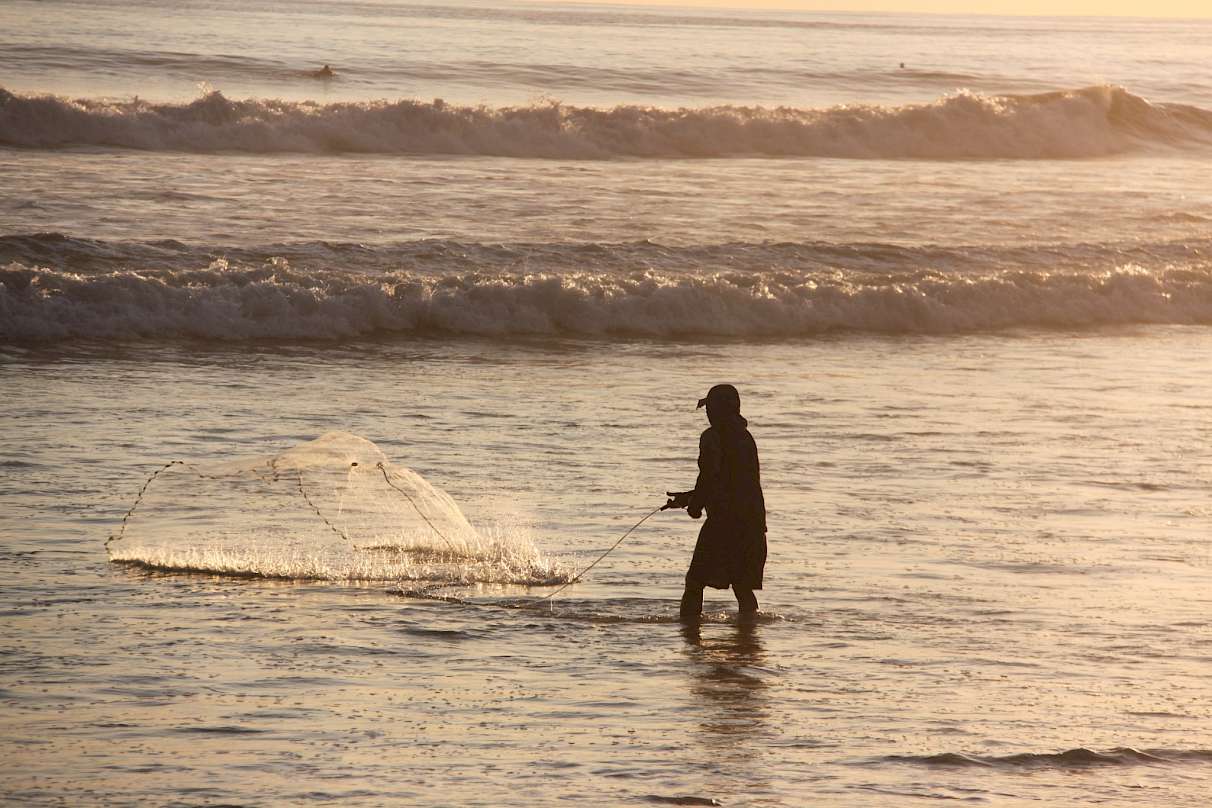
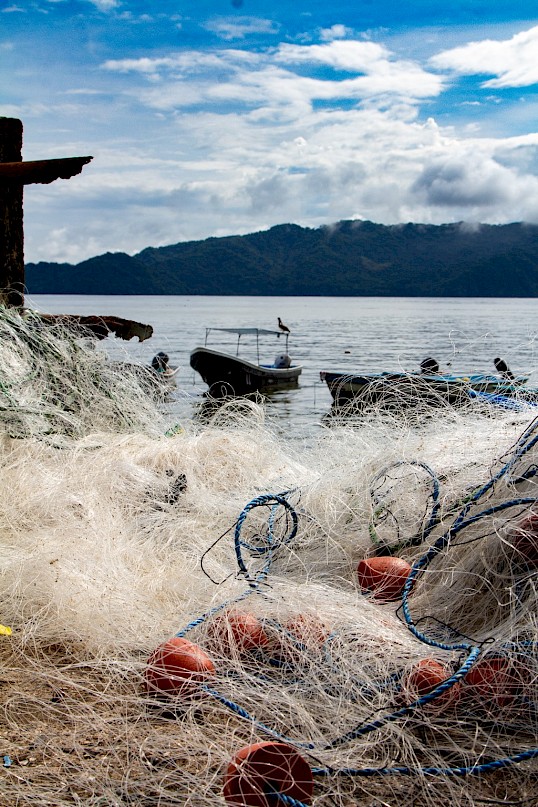
By working with local and coastal communities, PRO-SEAS looks to prevent and reduce the loss and abandonment of fishing gear, promoting a circular economy by recycling and re-using end-of-life fishing gear into new products and components.
The Deputy Minister of Agriculture and Livestock, Mary Ching Sojo stated:
"PRO-SEAS contemplates not only aspects of conservation and protection. It also includes technical support and capacity building, as well as the promotion of public-private partnerships to encourage the economic growth of families, through the promotion of the circular economy and the blue economy, and includes the active participation of fishermen."
Nelson Peña Navarro, executive president of INCOPESCA added:
"Costa Rica already has a National Action Plan and a pilot project in the Gulf of Nicoya. This project will allow us to update, strengthen and link it more effectively with our national waste management systems, as well as with port and fisheries policies."